734-361-3948
FAQS
Frequently Asked Questions
Can I have sleep apnea if I am not overweight?
Yes. While excess weight can increase risk, sleep apnea can affect people of all body types. Airway anatomy, jaw position, nasal breathing, and genetics can also play important roles.
Is CPAP the only treatment option?
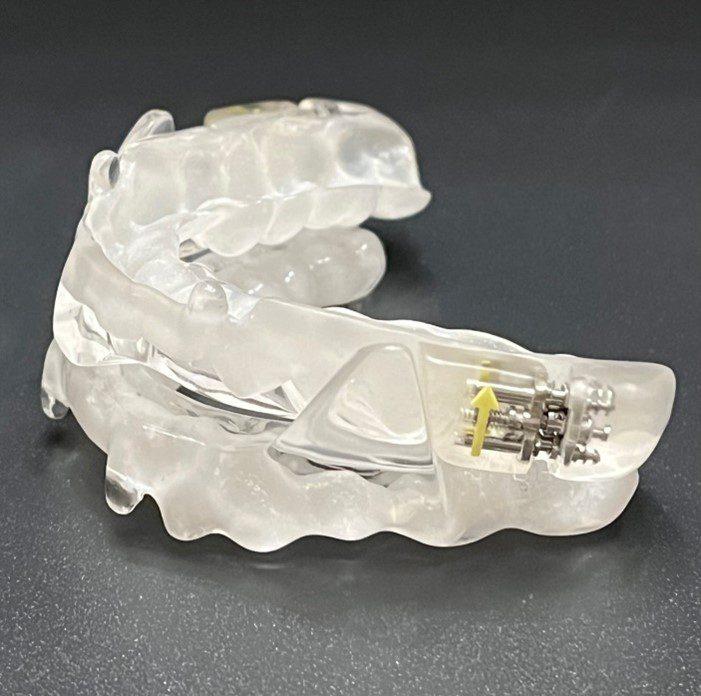
No. CPAP is one effective treatment option, but oral appliance therapy is another evidence-based treatment option for many patients. Patients tend to like an oral appliance due to its simplicity, size, and easy ability to travel with it. AASM recommends that sleep physicians consider prescription of oral appliances, rather than no treatment, for adult patients with obstructive sleep apnea who are intolerant of CPAP therapy OR prefer alternate therapy.

Can an appliance help with my snoring?
Yes, an appliance can reduce snoring depending on the patient. By stabilizing the jaw and keeping the airway open, the vibrations in the throat, known as snoring, can be reduced or stopped altogether.
How long does treatment take?
The timeline varies, but many patients can begin the process within 1-2 visits. After delivery, the appliance is adjusted and follow-up testing by a sleep physician is required to confirm effectiveness. Treatment time varies for every patient.
Will an oral appliance replace my cpap?
For some patients, yes. For others, oral appliance therapy may be used alongside a CPAP for comfort and ultimate therapeutic effect. Treatment decisions depend on your individual diagnosis and needs.
Does Insurance Cover Oral Appliance Therapy Treatment?
Many medical insurance plans provide coverage for oral appliance therapy when specific requirements are met.  
‍
Coverage typically requires:  
‍
-A diagnosis of obstructive sleep apnea from a qualified physician  
-A qualifying sleep study  
-Documentation supporting medical necessity  
-Use of an FDA-cleared oral appliance provided by a qualified dental sleep medicine provider  

Insurance coverage varies by plan. Our team helps patients understand their benefits, required documentation, and financial options before beginning treatment.
What happens during an oral appliance consultation?
During your consultation, we review your sleep history, diagnosis, symptoms, airway health, dental health, and treatment options to determine whether oral appliance therapy may be right for you.